







What Are Trade Show Booth Displays and Exhibition Stands?
Trade show booth displays are portable marketing structures designed to showcase brands, products, and services at exhibitions and conferences. Also called exhibition stands, tradeshow booths, exhibit displays, and tradeshow displays, these systems range from simple banner stands to full modular trade show booths with integrated lighting, shelving, and digital components. Displayit trade show displays serve exhibitors across multiple industries by creating branded environments within standardized floor spaces, starting at 10 x 10 foot trade show booths and extending to large island displays exceeding 20 x 20 feet.
Complete Trade Show Booth Elements for Maximum Impact
| Product Type | What It Means for You | Trade Show Advantage | |
|---|---|---|---|
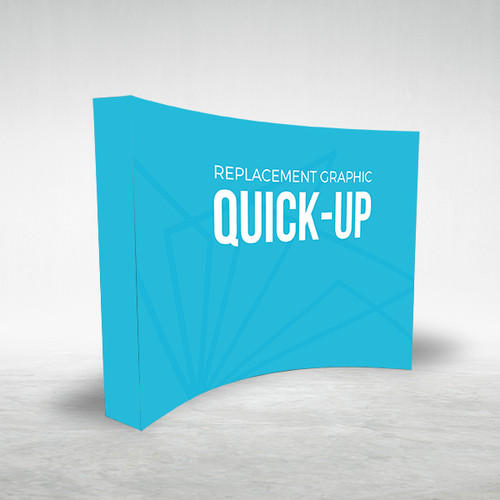
| Backwalls | Your backdrop system creates a vertical branding surface with fabric panels or rigid substrates that defines your trade show booth perimeter. | Establishes professional brand presence from a distance while providing structural foundation for shelving and display accessories. | |
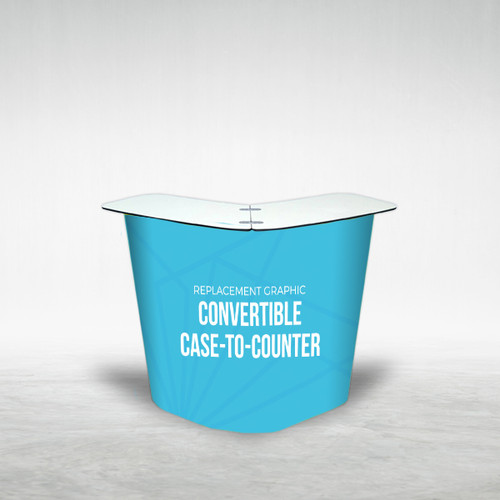
| Counters | Built-in workstations provide secure storage areas below with branded graphic panels and functional work surfaces above. | Creates organized interaction zones for product demonstrations and literature distribution without requiring separate furniture rentals. | |
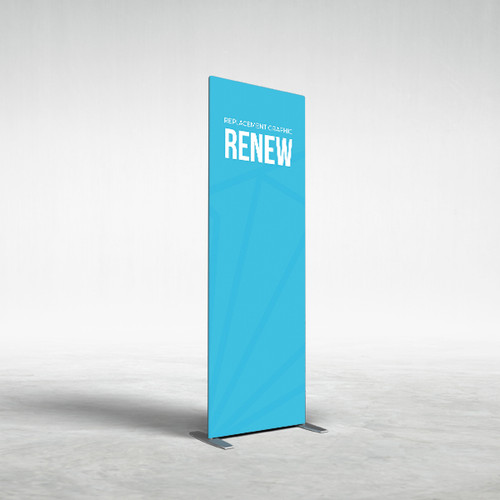
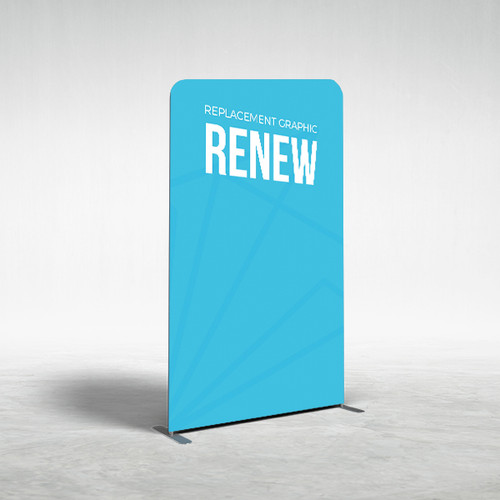
| Banner Stands | Portable vertical exhibit displays add supplemental messaging through retractable vinyl or tension fabric graphics positioned around your booth space. | Extends brand visibility beyond the main backwall while offering flexible positioning options throughout the exhibition period. | |
| Accessories | Lighting systems, monitor mounts, and shelving attachments integrate directly with exhibition stand frameworks to support multimedia content. | Transforms static tradeshow displays into interactive environments that capture attention through dynamic content and professional illumination. | |
Portable vs. Modular Trade Show Booths
Portable and modular are the two most common ways exhibitors describe trade show displays, but they mean different things and are sometimes used interchangeably in ways that cause confusion.
Portable Trade Show Displays
A portable display is designed primarily for transport and solo setup. It packs into a case or bag, ships via standard carrier, and can be assembled without tools or an installation crew. Pop-up displays, banner stands, and tension fabric backwalls are all portable. The defining characteristic is that one person can move it, set it up, and break it down without assistance. Portable displays tend to be lighter and faster to set up than modular systems, though newer portable designs have closed much of the visual gap with heavier alternatives.
Modular Trade Show Displays
A modular display is built from components that can be reconfigured into different layouts or combined with additional pieces between shows. Modular systems prioritize flexibility over pure simplicity. A multi-frame kit, for example, can be arranged as a straight backwall, an L-shaped configuration, or broken into separate display stations depending on the space available at a given event. Modular systems are often more visually substantial and allow for shelving, monitor mounts, and accessory integration that all-in-one portable designs cannot accommodate.
Many exhibitors start with a portable display and add modular components as their show schedule grows. Browse the full 10 x 10 multi-frame kit collection for the most flexible configurations in the 10-foot space.
How Much Does a Trade Show Booth Cost?
Trade show booth costs vary depending on the size of the display, graphic complexity, whether backlighting is included, and the number of components in the kit. The following ranges reflect typical purchase prices for display hardware with custom-printed graphics included.
| Display Category | What's Typically Included | Typical Setup Time | Price Range |
|---|---|---|---|
| Banner Stands | Retractable or tension fabric stand with a single custom-printed graphic panel. Carrying case included. | Under 3 minutes | $200 to $800+ |
| Pop-Up Displays | Accordion or push-button frame with full custom fabric backwall graphic and carrying or rolling case. | 2 to 10 minutes | $500 to $2,000+ |
| Multi-Frame Kits | Multiple configurable frame sections, custom graphics for each panel, and transport cases. May include counter, shelving, or lighting. | 15 to 30 minutes | $1,200 to $4,500+ |
| Backlit Displays | LED-illuminated frame with custom dye-sublimation fabric graphic. Integrated lighting, no separate fixture required. | 10 to 25 minutes | $1,500 to $6,000+ |
| 10 x 20 Booths | Double-wide display system with multiple graphic panels, often including counters, shelving, and lighting options. | 30 to 60 minutes | $2,000 to $8,000+ |
| 20 x 20 Island Displays | Four-sided island configuration with 360-degree branding, multiple graphic panels, counters, and structural elements designed for high-traffic floor placement. | 60 to 120 minutes | From $21,895 |
Replacement graphics are available for every product line at a fraction of the original display cost when it's time to refresh your branding. For exhibitors not ready to buy, Displayit also offers trade show display rentals as a lower-commitment entry point.
How to Choose the Right Trade Show Display
Start with your booth space, not your budget. The size of the space you've reserved determines every hardware decision that follows. Standard 10 x 10 trade show booths accommodate backwall systems up to 10 feet wide, while larger 10 x 20 spaces support 20-foot exhibit displays with additional accessories like counters and shelving. Island configurations allow 360-degree branding opportunities but require exhibition stands designed for multi-directional viewing.
Factor in how many shows you exhibit at per year. Exhibitors doing one or two shows annually can prioritize visual impact over durability and pack efficiency. Exhibitors on a monthly or quarterly show schedule need a system that handles repeated setup cycles, ships efficiently, and can be assembled reliably by whoever is staffing the booth that week, not just the person who bought it.
Decide early whether you need backlighting. Backlit displays command more attention on a busy show floor, but they require frames specifically engineered for LED integration. Backlit is not an upgrade you can add to a non-backlit frame later. If you're considering it now or in the near future, it's worth starting there. Browse the full backlit trade show displays collection for the complete range of illuminated options.
Factor in assembly requirements and total cost of ownership. Tool-free systems reduce setup time and eliminate the need for specialized installation crews. Budget allocation typically drives initial selection, with entry-level options starting under $300 for bas