
Moving from a 10x10 to a 10x20 trade show booth is the single biggest visual impact upgrade an exhibitor can make. I tell our customers this constantly because I have watched it play out at hundreds of shows: a 10x20 booth does not just double your floor space. It changes how attendees perceive your company. You go from looking like a small vendor in a row of identical booths to looking like an established brand with a dedicated presence. About 40% of the 10x20 orders we process at Displayit come from exhibitors who started with a 10x10 and outgrew it within two years. This blog walks through the most effective 10x20 booth ideas we see, organized by budget, layout, and display type, so you can plan your upgrade with real products and real pricing.
Why is a 10x20 booth worth the upgrade from a 10x10?
A 10x20 booth gives you 200 square feet of floor space, which is twice the area of a 10x10. But the real advantage is not square footage. It is the 20-foot backwall. A 20-foot wide branded graphic creates an unbroken visual presence that is visible from significantly farther down the aisle than a 10-foot backwall. At shows like NRF, HIMSS, and Pack Expo, where aisles are 100+ feet long and packed with competing booths, that extra visibility is the difference between getting noticed and getting walked past.
Here is what the 10x20 upgrade gives you that a 10x10 cannot:
- A 20-foot branded backwall that dominates the rear of your booth space and serves as the primary visual anchor for your brand messaging
- Room for dedicated zones within the booth: a meeting area on one side, a product demo area on the other, and a counter or lead capture station in between
- Space for more staff without crowding. A 10x10 booth with three staff members feels packed. A 10x20 booth with four or five staff members still feels open and welcoming.
- Flexibility for island-style or L-shaped configurations at venues that allow it, giving you exposure from multiple aisles
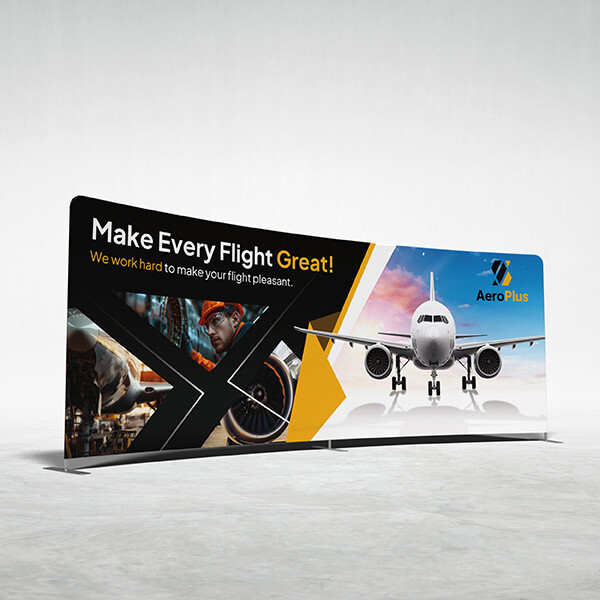
The cost difference between a 10x10 and a 10x20 booth display is typically 40% to 60% more, not double. You are paying for a wider backwall and additional graphic panels, but the frame engineering and setup process are the same. For exhibitors attending three or more national shows per year, the 10x20 booth pays for itself in increased lead volume and brand perception.
What are the best 10x20 booth ideas by budget?
We build 10x20 booths at every price point, and the right setup depends on the shows you attend and what you need the booth to do. Here are three 10x20 booth configurations that represent the best value at each budget tier, based on what our customers actually order:
| Budget | 10x20 Display | What's Included | Price |
|---|---|---|---|
| Entry 10x20 | 20ft Graffiti SEG Backwall | 20ft seamless SEG pop up backwall, custom graphic, wheeled case | $1,495 - $2,200 |
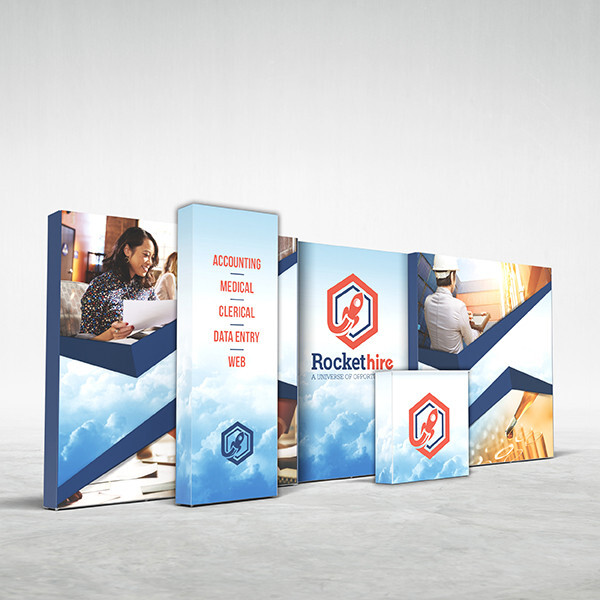
| Mid-Range 10x20 | Ensemble Kit E20K | Multi-frame backwall, side panels, counter, all graphics, shipping cases | $3,800 - $4,800 |
| Premium 10x20 | Graffiti Backlit Kit GB20F | Full 20ft LED-illuminated backwall, translucent graphic, wheeled cases | $9,500 - $12,000 |
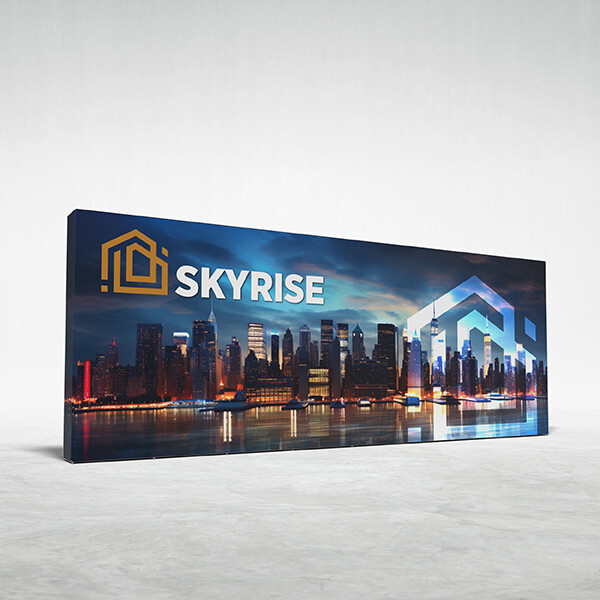
The entry-level 20ft Graffiti backwall is our most popular first 10x20 purchase. Exhibitors pair it with banner stands and a branded table cover to fill the space without overcommitting on budget. As they attend more shows, they add a counter and side panels. The mid-range Ensemble kit is for exhibitors who want the full multi-surface look from day one. The premium backlit kit is what we ship to companies exhibiting at major national conventions where booth presence directly influences their sales pipeline.
What is the best 10x20 booth layout?
The layout mistake I see most often in 10x20 booths is treating the space like a larger version of a 10x10. Exhibitors place a single backwall and a table in the center, leaving half the booth unused. A 10x20 booth should be designed with distinct zones that give visitors a reason to move through the space rather than stand at the front edge.
The two-zone layout is what we recommend for most 10x20 exhibitors. Divide the booth into a "public" half and a "private" half:
- Public zone (front 10 feet): Open floor space facing the aisle. One or two banner stands framing the entrance. A counter with a monitor or product samples for quick interactions. This is where casual attendees stop, scan your backwall, and decide if they want to engage.
- Private zone (rear 10 feet): A small meeting area with two chairs or a high-top table. This is where your staff takes qualified leads for deeper conversations away from the aisle noise. The 20-foot backwall behind this zone provides branded backdrop for these meetings.
This layout works because it serves two different types of visitor interactions simultaneously: fast drive-by impressions at the front and focused sales conversations at the back. A 10x10 booth can only do one or the other. For detailed layout guidance and product configurations at every booth size, see: 10x10 Trade Show Booth Ideas: Layouts and Configurations by Budget.
Should I choose a backlit or standard 10x20 booth?
This is the biggest design decision at the 10x20 level, and the answer depends on where you exhibit. I always ask exhibitors two questions: how many competing booths are in your section, and how long are the aisles?
| Factor | Standard 10x20 | Backlit 10x20 |
|---|---|---|
| Visual Range | Visible from 30 to 50 feet under hall lighting | Visible from 75 to 100+ feet, glows even in dimly lit halls |
| Setup Crew | 1 person, 15 to 30 minutes | 1 to 2 people, 30 to 60 minutes |
| Power Required | No | Yes, one standard outlet for LED arrays |
| Additional Show Costs | None beyond booth rental | Electrical hookup fee at most venues ($100 to $300) |
| Price (20ft) | $1,495 - $4,800 | $9,500 - $14,500 |
If you exhibit at 3 or fewer regional shows per year with under 200 exhibitors, a standard 10x20 setup delivers excellent value. If you exhibit at national conventions with 500+ exhibitors where your neighbors have backlit displays and custom fabricated booths, you need backlighting to compete visually. The investment is significant, but so is the cost of being invisible at a show you are paying $10,000+ to attend. For a detailed comparison across all display types, see: Backlit vs. Standard Trade Show Displays.
What is the most premium 10x20 booth setup Displayit offers?
The Prism Backlit Kit P20C is the top of our 10x20 line. It uses a precision-engineered aluminum extrusion frame with edge-to-edge LED illumination behind a translucent SEG graphic. The visual effect is a 20-foot glowing wall that commands attention from any distance on the show floor.
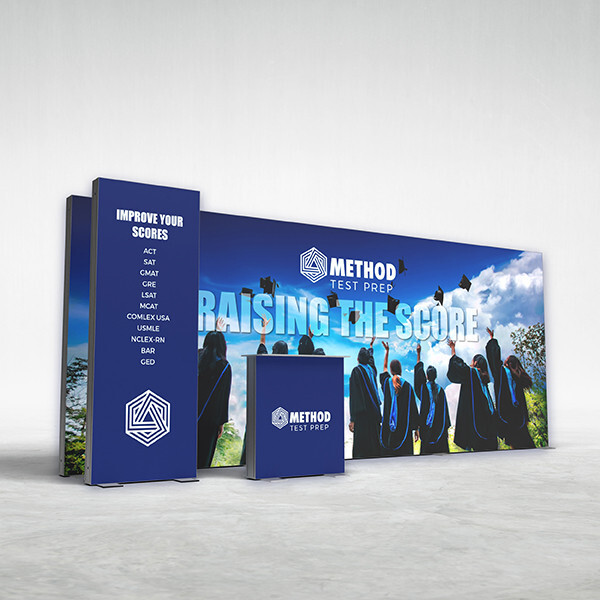
We ship the Prism P20C to exhibitors at CES, RSAC, AORN, and other major national conventions where booth presentation directly influences deal flow. The companies that invest at this level are treating their 10x20 booth as a permanent marketing asset that will be used at 6 to 10 shows per year for 5+ years. At $11,000 to $14,500, the cost per show over a 5-year lifecycle works out to $220 to $480 per event, which is a fraction of the booth rental, travel, and staffing costs they are already committed to.
The key design consideration at this level: dark backgrounds with vibrant foreground elements produce the strongest backlit effect. Our print team sees this consistently. A translucent graphic with a white or light-colored background will wash out under LED illumination. High contrast is everything. For graphic design specifications, see: Trade Show Graphics: Types, Printing, Costs, and Design.
How do I plan the upgrade from a 10x10 to a 10x20 booth?
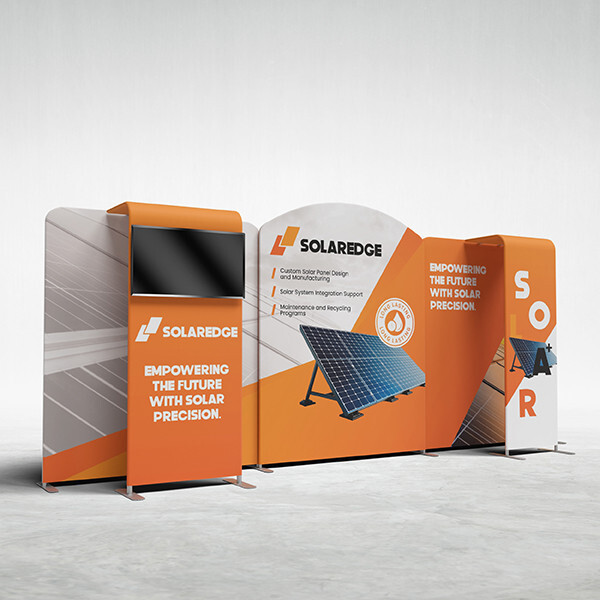
The smartest way to upgrade is to keep your existing 10x10 components and build around them. If you already own a 10-foot backwall, banner stand accessories, and a table cover from Displayit, those pieces become accessories in your new 10x20 layout. Your 10-foot backwall can serve as a side wall or meeting area backdrop. Your banner stands frame the entrance or mark a product demo zone. Nothing gets retired.
| Upgrade Step | What You Add | Cost |
|---|---|---|
| Step 1: 20ft backwall | Replace your 10ft backwall with a 20ft model. Keep the 10ft as a side panel. | $1,495 - $4,800 |
| Step 2: Counter and accessories | Add a branded counter for lead capture and an additional banner stand. | $400 - $800 |
| Step 3: Coordinate graphics | Order replacement graphics for your existing banner stands and table cover to match the new 20ft backwall design. | $200 - $500 |
Total upgrade cost: $2,095 to $6,100, depending on which 20ft backwall you choose. That is significantly less than buying a complete 10x20 kit from scratch because you are reusing components you already own.
One thing I always mention to exhibitors planning this transition: book your 10x20 booth space at the venue first, then order the display. Booth space at major shows sells out months in advance, and the booth dimensions determine which display configuration fits. A corner 10x20 with two open sides has different layout needs than an inline 10x20 with only the front open.
Our standard production time is 4 to 7 business days after artwork approval, with rush production available in 2 to 3 days. If you need help coordinating graphics across a multi-piece 10x20 setup, Displayit offers graphic design services to ensure color and messaging consistency across every surface. For a personalized recommendation based on your booth size, budget, and show schedule, try our interactive Trade Show Display Buying Guide or browse all trade show displays to compare every option. For questions about upgrading, talk to our team.

About the Author
Adam Chait is the CEO of Displayit, a U.S. based trade show display manufacturer that has been helping companies exhibit with confidence since 1996. Displayit designs, prints, and ships custom trade show displays from its facility in Buford, GA, serving thousands of exhibitors across every major industry. Adam leads a team of display specialists who work directly with exhibitors to match the right booth solution to their space, timeline, and budget. For personalized guidance, schedule a free consultation with the Displayit team.